


Wooden Cutlery
Wooden cutlery refers to utensils made from wood, which are used for eating and serving food. These include forks, knives, spoons, and other utensils that are traditionally made from metal or plastic. Wooden cutlery offers a more eco-friendly and sustainable alternative to plastic cutlery, which is not biodegradable and contributes to plastic pollution. It is also a natural and non-toxic option, as it does not contain any harmful chemicals or additives. Wooden cutlery can be made from a variety of types of wood, including bamboo, birch, and maple, and comes in a range of styles and designs. It is often used in outdoor settings or for casual meals and events.
Benefits of Wooden Cutlery
Environmentally-friendly
Unlike plastic cutlery, wooden cutlery is compostable, biodegradable, and made from a renewable resource. This makes it a more sustainable option as it reduces the amount of plastic waste that ends up in landfills and oceans.
Healthier
Wooden cutlery does not contain harmful chemicals that can leach into the food. It is also safer to use in high-temperature environments as it does not melt or release any toxic substances.
Aesthetically pleasing
Wooden cutlery adds a rustic and natural element to dining experiences. It enhances the overall presentation and creates a more pleasant dining experience.
Strong and durable
Wooden cutlery is strong and durable, allowing it to withstand heavy use. This makes it a great option for events such as weddings, parties, and outdoor dining.
-
![Natural Wooden Cutlery with Logo]()
Natural Wooden Cutlery with Logo
The wooden spoon set is not just for eating, it is also great for crafts! The
-
![single use wooden cutlery]()
single use wooden cutlery is strong,very reliable, can be used in a variety of
-
![Wrapped Wooden Cutlery]()
These disposable birchwood cutlery sets are individually wrapped, making them
-
![Personalised Wooden Cutlery]()
100% biodegradable disposable knives -- high quality, smooth, non-toxic --
-
![Fancy Wooden Cutlery]()
-
![Biodegradable Wooden Cutlery with Logo]()
Biodegradable Wooden Cutlery with Logo
These disposable wooden utensil are good in some ways. I got them for an office
-
![Disposable Wooden Cutlery Paper Wrapped]()
Disposable Wooden Cutlery Paper Wrapped
Sustainable,biodegradable cutlery set-Make the change to protect our
-
![Eco-friendly Disposable Wooden Cutlery]()
Eco-friendly Disposable Wooden Cutlery
All natural wood based,all safety - Enjoy your meal with sanitized 100% wooden
-
![Disposable Wooden Stirrer Cutlery]()
Disposable Wooden Stirrer Cutlery
These disposable wooden stirrer cutlery are designed for stirring in milk,
-
![Disposable Wooden Knife Cutlery]()
Disposable Wooden Knife Cutlery
This composatable wooden cutlery set is perfect not just for gatherings and
-
![Disposable Wooden Cutlery Set]()
Perfect for most of occasion – Enjoy events without creating any plastic waste.
-
![Disposable Wooden Cutlery Fork and Spoon]()
Disposable Wooden Cutlery Fork and Spoon
Environmentally! Non-toxic, disposable wooden cutlery for and spoon, and knives


Why Choose US
Professional team
Our professional team collaborate and communicate effectively with one another, and are committed to delivering high-quality results. They are capable of handling complex challenges and projects that require their specialized expertise and experience.
Innovation
We are dedicated to improving our systems continually, ensuring that the technology we offer is always cutting edge.
One stop solution
We can offer a range of services, from consultation and advice to product design and delivery. It is a convenience for the customers, as they can get all the help they need in one place.
24h online service
We try and respond to all concerns within 24 hours and our teams are always at your disposal in case of any emergencies.
Types of Wooden Cutlery
Wooden Forks
Wooden forks are eating utensils made from wood. They are typically made from renewable materials such as bamboo or birch, and are a more eco-friendly alternative to disposable plastic cutlery. Wooden forks are often used in outdoor events, picnics, and camping trips. They are also used in restaurants and cafes that prioritize sustainability. Wooden forks can be composted after use, which reduces waste and helps to keep the environment clean.
Wooden Spoons
Wooden spoons are kitchen utensils made of wood that are commonly used in cooking. They come in various sizes and shapes, and are typically used for stirring, mixing, and serving food. Wooden spoons have been used for centuries and are popular due to their durability and non-reactivity with acidic foods. They are also a sustainable option compared to plastic utensils, as they are biodegradable and renewable.
Wooden Knives
Wooden knives are a popular type of kitchen utensil made from wood. Unlike metal knives, wooden knives do not rust or corrode, making them an ideal choice for use in wet environments. They are also lightweight, easy to handle and come in a wide range of designs. Wooden knives are commonly used for cutting fruits and vegetables but can also be used for cooking and serving food. They are considered an eco-friendly option as they are biodegradable and can be easily disposed of without harming the environment.
Wooden Sporks
Wooden sporks are a popular eco-friendly alternative to disposable plastic utensils. Made from sustainably sourced wood, these sporks are reusable and biodegradable, reducing the amount of waste in landfills. They are perfect for camping, picnics, and outdoor events, and are also a stylish addition to any kitchen.

Type of wood
Not all types of wood are suitable for making cutlery. Some woods are too soft or porous, which can make them prone to splintering or breaking. Look for wooden cutlery made from hardwoods, such as birch or bamboo, that are strong and durable.
Shape and size
Wooden cutlery comes in a variety of shapes and sizes. Consider the types of food you'll be eating and choose cutlery that is appropriately sized and shaped for the task. For example, if you'll be eating soup or cereal, you may want a spoon with a deeper bowl. If you'll be eating steak or other meats, a sturdy fork will be essential.
Finish
Wooden cutlery can have a natural finish or be coated with a food-safe wax or oil. A natural finish will give you a more authentic, rustic look, while a wax or oil coating can help protect the cutlery from moisture and prolong its lifespan.
Packaging
Many wooden cutlery sets come packaged in plastic bags, which defeats the purpose of using an eco-friendly alternative. Look for cutlery that comes in minimal packaging or that is wrapped in paper or cardboard.
Price
Wooden cutlery can vary greatly in price, depending on the quality and quantity. Consider how often you plan to use the cutlery and how important sustainability is to you when determining how much you're willing to spend.
Food service
Wooden cutlery can be used in food service establishments such as cafes, restaurants, and food trucks. Not only does it provide customers with a sustainable and natural alternative, but it also enhances the rustic aesthetic of the establishment.
Activity
Wooden cutlery is also a popular choice for events like weddings and parties. It not only acts as a practical utensil but also serves as a decorative element, adding a touch of rustic charm to the occasion.
Outdoor expeditions
Wooden cutlery is an excellent choice for outdoor expeditions and camping trips. It is lightweight, easy to carry, and biodegradable, making it a sustainable option that leaves minimal impact on the environment.
Retail
Many retailers are now stocking up on wooden cutlery due to its increasing demand among customers. It is an excellent eco-friendly option that resonates with today's eco-conscious consumers, who are looking for sustainable products.
Crafts
Wooden cutlery can also be used for crafting purposes. It can be painted, decorated, and used to create unique DIY projects such as plant markers, jewelry, or even art installations.

Wooden cutlery is a popular alternative to plastic or metal cutlery. It is eco-friendly, biodegradable and adds a touch of elegance to any dining setting.
Wood selection
Wooden cutlery can be made from different types of wood such as birch, bamboo or maple. The first step in the manufacturing process is to choose the best quality wood. The wood should be clean, dry and free from knots or defects to ensure a flawless finish.
Cutting and shaping
The selected wood is then cut and shaped into the desired size and shape using special machines. The cutlery can be made into various shapes such as spoons, forks or knives. The edges are then smoothed and rounded to ensure they are comfortable to use.
Sanding and polishing
Once the cutlery is cut and shaped, it is sanded to achieve a smooth surface. The sanding process involves using different grades of sandpaper to create a uniform and polished surface. The cutlery is then polished using a special wax or oil to enhance its natural beauty and protect it from moisture and stains.
Quality control
After the cutlery is sanded and polished, it undergoes a strict quality control process to ensure its strength and durability. The finished cutlery is checked for any defects or cracks and tested for strength and flexibility.
Packaging
The final step is to pack the cutlery for sale. The cutlery is carefully wrapped and packaged in environmentally friendly materials to maintain their quality until they reach the customer.
The Working Principle of Wooden Cutlery
The working principle of wooden cutlery is quite simple. Wooden cutlery is made of wood, which is a natural material that is sturdy, durable, and eco-friendly. The wood is usually gathered from sustainably managed forests, and it is then processed into the desired shape and size for use as cutlery. Wooden cutlery is designed to be used in the same way as traditional metal cutlery, with the exception that it is made of wood. It can be used to cut, spread, and scoop food just like metal cutlery, but it is generally not as sharp and requires a little more effort to use. One of the benefits of using wooden cutlery is that it is biodegradable and compostable, which means it can be safely disposed of in a compost bin or other organic waste stream when it is no longer needed. This makes wooden cutlery an excellent choice for both indoor and outdoor events where disposable cutlery is required.
The Difference Between Wooden Tableware and Plastic Tableware
Material
Wooden tableware is made from natural materials, usually wood, while plastic tableware is made from synthetic materials like plastic resin.
Appearance
Wooden tableware has a more natural and rustic appearance, whereas plastic tableware has a more modern and uniform appearance.
Durability
Wooden tableware can last longer than plastic tableware, especially if it is well-maintained and made from durable materials like hardwood. Plastic tableware is more prone to scratches, cracks, and discoloration.
Sustainability
Wooden tableware is more sustainable than plastic tableware since it is biodegradable and can be easily recycled or composted. Plastic tableware, on the other hand, is non-biodegradable and can take hundreds of years to decompose.
Material of Wooden Cutlery
Wooden cutlery can be made from a variety of materials such as bamboo, teak, acacia, and beech. The most common type of wood used for tableware is bamboo, as it is sturdy, lightweight, and eco-friendly. Bamboo is also known for its natural resistant characteristics against bacteria, making it a great choice for kitchen utensils and serving ware. Teak is another popular material for wooden cutlery due to its durability and natural waterproof properties. Teak utensils are great for serving hot dishes as they won't absorb liquid or develop stains. Acacia is also commonly used for tableware due to its beautiful texture and grain patterns, making it a popular choice for dining accessories. Beech is a softer wood that can be easily carved into various designs, shapes, and sizes. It is ideal for creating unique and artsy tableware such as salad bowls, plates, and spoons. In addition to its beauty, beech is also sustainable and easy to clean.
The Development Trend of Wooden Cutlery
Wooden cutlery has become increasingly popular in recent years due to its eco-friendly and sustainable properties. The trend of using wooden cutlery is expected to continue growing as consumers become more aware of the impact of plastic on the environment. One of the main drivers of this trend is the growing concern for the environment, particularly the impact of single-use plastic products on the planet. Consumers are now seeking alternative options, and wooden cutlery is seen as a viable solution. Wooden cutlery is biodegradable and can be composted, reducing waste in landfills.
Another reason for the increasing popularity of wooden cutlery is the aesthetic appeal. Wooden cutlery adds a natural and rustic touch to meals, making them more visually appealing. Wooden cutlery is also popular for outdoor events and picnics due to its durability and lightweight nature. Another factor driving the trend of wooden cutlery is the rise in veganism and plant-based diets. Vegetarians and vegans are increasingly concerned with sustainability and environmental impact, and wooden cutlery fits perfectly with their lifestyle choices.
Dried wooden cutlery
Avoid using a dishwasher to clean your wooden cutlery. High temperatures and harsh detergents can damage the natural fibers of the wood. Instead, handwash your wooden cutlery with warm water and mild dish soap. Rinse thoroughly and dry immediately with a soft cloth.
Don't soak your wooden cutlery
Avoid soaking your wooden cutlery in water for an extended period. Soaking can cause the wood to expand, which may lead to warping or cracking. Clean your cutlery immediately after use.
Apply oil regularly
To keep your wooden cutlery in good condition, apply food-grade oil regularly. This will help to prevent the wood from drying out and cracking. Apply a small amount of oil to a clean cloth and rub it gently into the wood. Wipe off any excess oil with a clean cloth.
Store your wooden cutlery properly
Store your wooden cutlery in a dry, well-ventilated area. Avoid storing it in a damp or humid place, as this can cause the wood to absorb moisture and promote mold growth. If possible, store your wooden cutlery in a drawer or a utensil holder.
Sand your wooden cutlery
Over time, the surface of your wooden cutlery may become rough or stained. To restore its smooth surface, you can lightly sand it using fine-grit sandpaper. Sand in the direction of the grain, and wipe away any dust with a soft cloth.
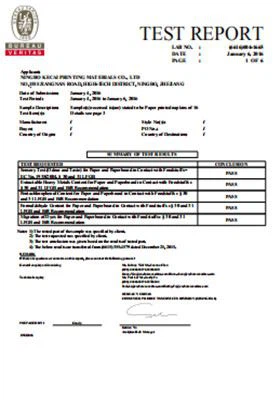
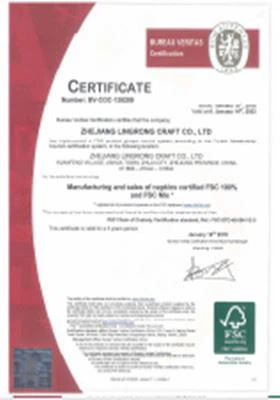
Certificate


Factory
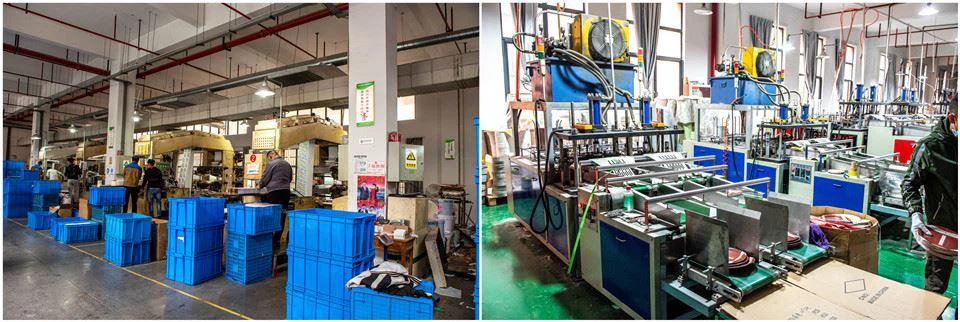
Our manufacturer was established in the beginning of 2002, located in Zhejiang Province, which is the most prosperous coastal areas with a lot of light industry factories in China. We focus on Party & Disposable Products and we have more than 15 years experience in this line with good reputation.
FAQ
Q: What is wooden cutlery made of?
Q: Is wooden cutlery better?
Q: What is the raw material for wooden cutlery?
Q: Are wooden cutlery safe?
Q: Is wooden cutlery hygienic?
Q: Which wood is best for cutlery?
Q: Do chefs use wooden utensils?
Q: What is the best wood for wooden cutlery?
Q: How long do wooden utensils last?
Q: Why has wooden cutlery replaced plastic cutlery?
Q: Why do people eat with wooden utensils?
Q: Should you boil wooden spoons?
Q: Can you use wooden utensils on nonstick pans?
Q: What is unique about wooden cutlery?
Q: Why are wooden cutlery becoming more popular?
Q: What are the benefits of using wooden cutlery?
Q: Can wooden cutlery be reused?
Q: Are there any safety concerns with using wooden cutlery?
Q: How long does wooden cutlery last?
Q: How should wooden cutlery be stored?
We're professional wooden cutlery manufacturers and suppliers in China, specialized in providing high quality customized products. We warmly welcome you to wholesale bulk high-grade wooden cutlery at competitive price from our factory.
Eco friendly Brown Kraft Paper Bags, Short Cocktail Paper Straws, Silver Drinking Straws for Bridal Shower