


Disposable Paper Plates
Disposable paper plates are lightweight, biodegradable, and inexpensive plates made from various materials, including recycled paper, sugarcane fibers, or bamboo. Disposable tableware means eating and drinking utensils made of paper and/or plastic that are disposed of after initial use. These plates are designed for single-use purposes and are commonly used for outdoor events, picnics, parties, and other occasions where convenience and easy cleanup are essential. Disposable paper plates are available in a range of sizes, colors, and designs to suit different needs and preferences. They are an environmentally friendly alternative to plastic or Styrofoam plates since they are compostable and easily biodegrade in landfills.
Benefits of Disposable Paper Plates
Easy to use
Disposable paper plates are very easy to use and require no cleaning before or after use. This makes them ideal for outdoor picnics, barbecues, and other casual events.
Lightweight and portable
Paper plates are lightweight and easy to carry, making them a great option for events held outdoors, such as picnics, camping trips, and beach parties.
Eco-friendly
Many disposable paper plates are made from renewable resources and can be recycled after use, making them an environmentally friendly option. Some paper plates are even biodegradable and compostable, reducing the amount of waste in landfills.
Wide variety
Disposable paper plates come in a wide variety of sizes, colors, and designs, making it easy to find plates that suit your needs and match your party theme.
-
![Leaf Shaped Disposable Paper Plates]()
Leaf Shaped Disposable Paper Plates
The leaf design brings you a summer atmosphere with attractive flamingo and
-
![Christmas Party Paper Plates And Cups Dinnerware]()
Christmas Party Paper Plates And Cups Dinnerware
Disposable Paper Plates and Cups Set for Christmas Party, 7’’ and 9’’ Dessert
-
![Disposable Soccer Paper Plate Tableware Set]()
Disposable Soccer Paper Plate Tableware Set
So excited for FIFA Wold Cup this year. We developed new designs including
-
![Anniversary Paper Plates]()
-
![Round Paper Plates]()
-
![Light Blue Disposable Plates]()
Lovely paper plate and cup for boy and girl, these bulk party paper plates not
-
![Light Pink Paper Plates]()
Lovely paper plate and cup for boy and girl, these bulk party paper plates not
-
![Birthday Party Disposable Plates]()
Birthday Party Disposable Plates
Birthday Party Disposable Plate is an essential part of a party. We can choose
-
![Square Colored Disposable Paper Plates]()
Square Colored Disposable Paper Plates
Good Sustainable Square Kraft Disposable Paper Plates 23X23cm. We have three
-
![Square Kraft Disposable Paper Plates]()
Square Kraft Disposable Paper Plates
Good Sustainable Square Kraft Disposable Paper Plates 23X23cm. We have three
-
![Mermaid Paper Plate]()
-
![Rainbow Disposable Plates]()


Why Choose US
Professional team
Our professional team collaborate and communicate effectively with one another, and are committed to delivering high-quality results. They are capable of handling complex challenges and projects that require their specialized expertise and experience.
Innovation
We are dedicated to improving our systems continually, ensuring that the technology we offer is always cutting edge.
One stop solution
We can offer a range of services, from consultation and advice to product design and delivery. It is a convenience for the customers, as they can get all the help they need in one place.
24h online service
We try and respond to all concerns within 24 hours and our teams are always at your disposal in case of any emergencies.
Types of Disposable Paper Plates
Round paper plates
Round paper plates are disposable plates that are popularly used in various events such as birthday parties, picnics, weddings, and other occasions where food is served. These plates are made of paper material or coated paper that can hold food and drinks without leaking or soaking. The round shape of the plates makes them suitable for serving different types of dishes such as salads, pasta, desserts, and more.
Light pink paper plates
Light Pink Paper Plates are typically pastel pink in color and made of disposable paper material. Light Pink Paper Plates come in various sizes, including small dessert plates, medium-sized plates, and larger dinner plates. They are often paired with matching pink napkins and tablecloths to create a cohesive party theme.
Mermaid paper plate
The Mermaid Paper Plate is a fun and creative craft activity for children. Using a plain white paper plate as the base, children can use their imaginations to create their own unique mermaid designs. Once the artwork is complete, the mermaid paper plate can be hung up as a decoration or used as a fun prop during imaginative playtime.
Flower shaped disposable paper plates
The flower-shaped disposable paper plates are perfect for any occasion, from outdoor picnics to indoor parties and celebrations. Made from sturdy and eco-friendly paper material, these plates feature a lovely floral design that will add a touch of elegance and charm to your table setting.

Size
Consider what you will be using the paper plate for and choose a size that will accommodate your food and/or beverages. Smaller plates may be suitable for desserts or appetizers, while larger plates may be needed for main courses or meals with multiple components.
Strength
Look for plates that are sturdy enough to hold your food without bending or leaking. Thicker plates tend to be stronger, but they may also be heavier and more expensive.
Materials
Consider the materials used to make the paper plates. Many disposable paper plates are made from paper or a combination of paper and plastic or wax. Some plates may also be compostable or made from eco-friendly materials to reduce environmental impact.
Design
If you're looking for paper plates for a party or special occasion, consider choosing plates with a decorative design or pattern. This can add a festive touch to your event.
Quantity
If you're buying paper plates in bulk, make sure you choose a quantity that will meet your needs without creating excess waste. It's better to have a few extra plates than to run out, but you also don't want to end up with a lot of unused plates.
Understand the Quality of Disposable Paper Plates
Material
The material used to manufacture the trays is critical. High-quality disposable paper trays are typically made from virgin pulp, which is strong and durable. On the other hand, trays made from recycled paper may not be as sturdy and prone to tearing or collapsing.
Design and structure
The design and structural integrity of the trays are also crucial factors that affect their quality. A well-designed paper tray can withstand the weight of food and prevent leakage or spillage. The edges should be reinforced, and the bottom should be strong enough to prevent the tray from collapsing or bending.
Water resistance
Another essential factor that determines the quality of disposable paper trays is their resistance to moisture. When used to serve hot or wet food, the trays should not become soggy or disintegrate. The use of a coating or wax layer on the tray's surface can help to enhance its moisture resistance.
Thickness
The thickness of the paper used to produce the tray is also an important consideration. A thicker paper tray is generally more durable and better suited for carrying heavier or messier food items.
Material
The material used to manufacture the trays is critical. High-quality disposable paper trays are typically made from virgin pulp, which is strong and durable. On the other hand, trays made from recycled paper may not be as sturdy and prone to tearing or collapsing.
Design and structure
The design and structural integrity of the trays are also crucial factors that affect their quality. A well-designed paper tray can withstand the weight of food and prevent leakage or spillage. The edges should be reinforced, and the bottom should be strong enough to prevent the tray from collapsing or bending.
Water resistance
Another essential factor that determines the quality of disposable paper trays is their resistance to moisture. When used to serve hot or wet food, the trays should not become soggy or disintegrate. The use of a coating or wax layer on the tray's surface can help to enhance its moisture resistance.
Thickness
The thickness of the paper used to produce the tray is also an important consideration. A thicker paper tray is generally more durable and better suited for carrying heavier or messier food items.
Food industry
In the food industry, disposable paper plate are used for serving and packaging food items. Fast food chains, restaurants, and food courts use paper trays for serving burgers, sandwiches, fries, and other snacks. The disposable nature of these trays makes them a popular choice for take-away meals.
Medical industry
In the medical industry, paper trays are widely used by hospitals, clinics, and laboratories for storing and transporting medical equipment. Disposable paper plate are also used for storing and transporting surgical instruments, sterile goods, and medical supplies. The trays prevent cross-contamination and are easy to dispose of after use.
Retail industry
In the retail industry, disposable paper plate are used for packaging and displaying products. They are used for packing fruits, vegetables, bakery items, and other perishable products. The trays protect the products from damage and contamination during transportation and storage.
Beauty industry
In the beauty industry, disposable paper plate are used for holding and organizing cosmetic products. Salons, spas, and makeup artists use paper trays for storing and organizing beauty products like makeup, nail polish, and accessories.

How to Produce Disposable Paper Plates
Materials
The first step is to gather the necessary materials. The main ingredient needed to produce a disposable paper tray is paper pulp. The pulp can be made from recycled paper or raw materials, such as wood chips.
Die Cutting
Use the die cutter to cut the paperboard into the desired shape and size. The dried tray is then trimmed to remove any excess or rough edges and finished by smoothing out any imperfections. Disposable paper trays are typically square or rectangular and come in a variety of sizes depending on the amount of food they will hold.
Creasing
Once the pulp is ready, it is poured into a mould that is shaped into the final product design. The mould is made of steel and contains perforated holes that allow excess water to drain, leaving the pulp to dry into the shape of the tray. feed the paperboard through a folding machine to bend it into the final shape of the tray. The size and shape of the tray will depend on the needs of the customer.
Packaging
The final step is to package the disposable paper trays into containers or boxes for sale and distribution. the trays must be packed and stacked for storage and eventual delivery to customers.
Quality Control
Once the trays have been produced, it is important to conduct quality control checks to ensure that they are free of defects and meet the required standards.
Distribution
Finally, the paper trays can be distributed to customers for use in restaurants, fast food chains, cafeterias, and other food service establishments.
Raw material collection
The first step involves collecting raw materials for making the disposable paper trays. The most common raw material used is paper pulp, which is obtained from wood chips or recycled paper.
Pulp preparation
The collected paper pulp is then boiled and cooked to break down the fibers and create a slurry. The slurry is then washed to remove any impurities and bleached to achieve the desired whiteness or color.
Tray molding
In this step, the paper pulp is placed in paper tray molding machines and molded to the desired shape and size. The molded trays are then pressed to remove excess water and take on the desired thickness.
Drying
After molding, the paper trays are air-dried or baked in drying ovens to remove any remaining moisture and make them more durable.
Trimming
The dried paper trays are then trimmed to ensure they have an even shape and size. This step involves cutting the edges to the desired shape and smoothing any rough edges.
Quality control
Finally, the disposable paper trays undergo quality control checks to ensure they meet the required standards. The trays are inspected for any defects, such as cracks or deformities, and rejected if they do not meet the required quality criteria.
The Manufacturing Process of Disposable Paper Plates
Material
The first step in the manufacturing process is to prepare the raw materials, which are typically made of paper pulp. The pulp is usually made from wood fibers mixed with water and chemicals to soften it and create a slurry.
Forming
Once the pulp is prepared, it is then poured into a mold or form that has the desired shape of the paper tray. The mold is made of metal or plastic and is designed to create a uniform shape for the tray.
Pressing
After the pulp has been poured into the mold, it is then pressed to remove any excess water and to compact it into a solid form.
Heating
The paper trays are then heated in an oven or dryer to dry them out and harden them. This process also helps to improve the strength and durability of the trays.
Cutting
Once the trays have been dried and hardened, they are then cut to the desired size and shape. This is typically done using a die-cutting machine, which is a tool that cuts the trays in bulk.
Packaging
Finally, the paper trays are packaged into boxes or bags and shipped to retailers or distributors for sale to consumers.
The Difference Between Disposable Paper Plates and Foam Plates
Disposable paper dishes and foam plates are two popular types of single-use dinnerware commonly used for outdoor events, picnics, and fast food restaurants.
Material
Paper dishes are made from 100% biodegradable, compostable, and renewable resources such as wood pulp. In contrast, foam plates are made from expanded polystyrene (EPS), which is a type of plastic derived from petroleum.
Environmental impact
Due to their eco-friendly material, paper dishes are considered a more environmentally conscious choice than foam plates. Paper dishes decompose quickly in landfills and do not emit toxic gases when incinerated. On the other hand, foam plates take hundreds of years to degrade in landfills and can release harmful chemicals when burned.
Appearance and durability
Foam plates are sturdier and can hold heavier foods without leaking or collapsing. They also come in different colors and textures, making them more aesthetically pleasing than plain white paper dishes. In contrast, paper dishes are lightweight and less durable than foam plates, and may need to be replaced more frequently.
Cost
Foam plates are generally cheaper than paper dishes, making them a more affordable option for large gatherings and events. However, this cost advantage may be offset by the additional expenses incurred in disposing of the plates, such as landfill fees or recycling costs.
Keep them dry
Moisture can weaken the structure of paper plates and cause them to become flimsy and easily tear. Keep them in a dry place until you're ready to use them.
Store them properly
Store paper plates upright in a storage container or on a shelf, in a dry area away from direct sunlight. This will prevent them from crushing or bending.
Don't overload them
Avoid overloading your paper plates with heavy or hot food. This could cause them to bend or break. Instead, use multiple plates or transfer the food onto a sturdier surface.
Dispose of them properly
After use, dispose of your paper plates in a recycling bin or trash can. Do not litter them or leave them on the ground.
Avoid contact with chemicals
Keep the plates away from any chemicals or substances that can cause the plates to deteriorate or become discolored.
Keep plates away from pets
If you have pets, keep the paper plates away from them as they can tear and damage the plates.
Certificate
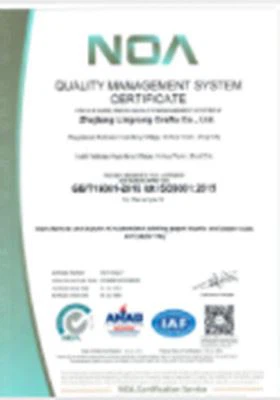
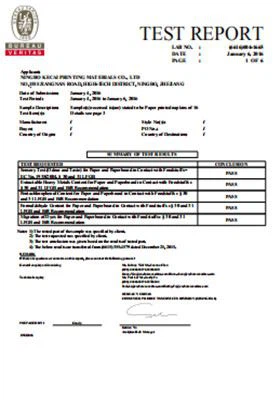
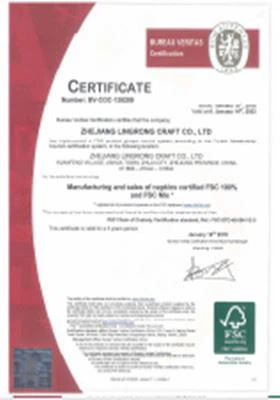

Factory
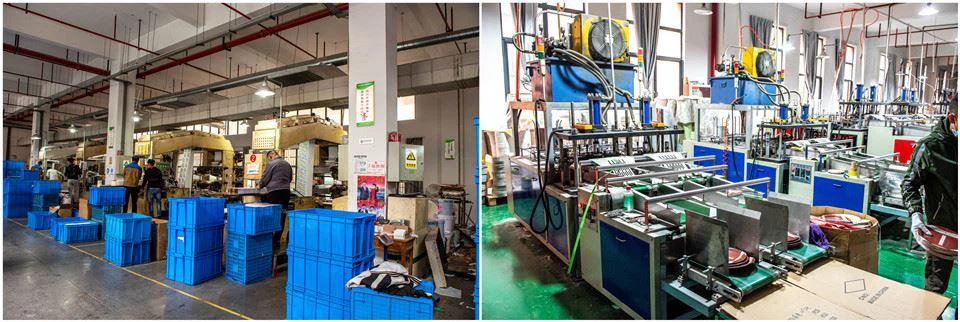
Our manufacturer was established in the beginning of 2002, located in Zhejiang Province, which is the most prosperous coastal areas with a lot of light industry factories in China. We focus on Party & Disposable Products and we have more than 15 years experience in this line with good reputation.
FAQ
Q: What is the meaning of disposable plates?
Q: What are disposable plates used for?
Q: What are disposable paper plates made of?
Q: Why use disposable plates?
Q: Are disposable paper plates microwavable?
Q: Which is better paper plates or plastic plates?
Q: Why are paper plates good?
Q: Are disposable plates OK for a wedding?
Q: Are disposable plates better?
Q: Can paper plates hold water?
Q: What are disposable paper plates made of?
Q: How long does it take for disposable plates to decompose?
Q: What are disposable paper plates made of?
Q: Can disposable paper plates be composted?
Q: Can disposable paper plates be used for hot food?
Q: Are disposable paper plates microwave-safe?
Q: Can disposable paper plates be recycled?
Q: Can disposable paper plates be handwashed and reused?
Q: How sturdy are disposable paper plates?
Q: Are disposable paper plates biodegradable?
We're professional disposable paper plates manufacturers and suppliers in China, specialized in providing high quality customized products. We warmly welcome you to wholesale bulk high-grade disposable paper plates at competitive price from our factory.
10 inch paper straw, Mix Colors Recycle Paper Drinking Straws Party Supplies Decorations, Metallic Gold Paper Straws