


Paper Napkins
Paper napkins are disposable thin sheets of paper used for wiping the mouth and hands during meals, celebrations or any messy activity. They come in various colors, patterns, and sizes, and are widely used in restaurants, fast food chains, cafeterias, and homes. Paper napkins are made of highly absorbent paper material that can trap food particles and spillages, and can be easily disposed of after use, making them a convenient and hygienic option for use in any setting.
Benefits of Paper Napkins
Convenient and hygienic
Paper napkins are easy to use and can be disposed of after use, making them a hygienic option. They are a great alternative to cloth napkins, which require washing and may harbor bacteria if not washed properly.
Cost-effective
Paper napkins are relatively inexpensive compared to cloth napkins. They are available in bulk at affordable prices, making them a cost-effective option.
Variety of designs
Paper napkins are available in a wide range of colors, patterns, and designs. This versatility makes them an excellent choice for any occasion, from casual meals to formal events.
Easy to store
Paper napkins come in compact packaging, making them easy to store. They take up less space compared to cloth napkins, which require separate storage and washing.
-
![Color Printed Party Paper Napkins]()
Color Printed Party Paper Napkins
We have many colors of this napkins for your choose, such as red, yellow, blue,
-
![Golden Wedding Paper Napkins]()
All of our napkins are meet EU standard and can be provide test report for our
-
![Green Beverage Cocktail Paper Napkins]()
Green Beverage Cocktail Paper Napkins
Simple wedding napkins featuring a modern yet elegent design with bright color.
-
![Orange Paper Cocktail Napkins]()
Orange paper cocktail napkins makes your party have a great atmosphere. Orange
-
![Blue And White Cocktail Napkins]()
Blue And White Cocktail Napkins
Perfectware - 2 Ply Blue-200ct, Beverage Black Napkin, Cocktail Beverage Napkin
-
![Black Paper Dinner Napkins]()
They are true to color and definitely thick, high quality dinner napkins. Used
-
![Light Pink Luncheon Paper Napkins]()
Light Pink Luncheon Paper Napkins
Wooden pulp paper with pink color, European standard. Antibacterial classic,
-
![Plain Coloured Paper Napkins]()
Cocktail Serviettes Tissue Paper Napkins 2ply Burgundy Disposable & Recyclable
-
![Birthday Paper Napkin]()
-
![Pink And Gold Paper Napkins]()
Lovely paper plate and cup for boy and girl, these bulk party paper plates not
-
![Decorative Napkins For Decoupage]()
Decorative Napkins For Decoupage
Decorative Napkins for Decoupage have become an essential sanitary products in
-
![Black And Gold Party Napkins]()
This black and gold party napkins is personalized napkins with gold foil. The


Why Choose US
Professional team
Our professional team collaborate and communicate effectively with one another, and are committed to delivering high-quality results. They are capable of handling complex challenges and projects that require their specialized expertise and experience.
Innovation
We are dedicated to improving our systems continually, ensuring that the technology we offer is always cutting edge.
One stop solution
We can offer a range of services, from consultation and advice to product design and delivery. It is a convenience for the customers, as they can get all the help they need in one place.
24h online service
We try and respond to all concerns within 24 hours and our teams are always at your disposal in case of any emergencies.
Types of Paper Napkins
Dinner Napkins
Dinner napkins are typically larger in size and are used for formal occasions such as weddings, banquets, and fancy dinners. They are made from high-quality paper and come in a variety of colors and designs.
Cocktail Napkins
These are smaller in size and are used for small gatherings, parties, and events. They are usually made from two-ply paper and are available in a wide range of colors and designs.
Luncheon Napkins
These are medium-sized napkins that are used for informal occasions such as luncheons, picnics, and casual gatherings. They are often made from one-ply paper and come in a variety of patterns and colors.
Disposable Napkins
These are single-use napkins that are commonly used in restaurants, cafes, and fast-food establishments. They are usually made from one-ply or two-ply paper and are available in various sizes and colors.
Understanding the Quality of Paper Napkins
Absorbency
Absorption capacity is a key feature of tissue papers. The amount of water absorbed by the wetted surface of the paper is measured as water absorbency. As a result, the best way to determine absorbency is to test it yourself. Keep in mind that higher absorbency does not always imply a superior quality.
Thickness
The thickness of all forms of paper is measured in Grams per Square Metre (GSM). The lower the number, the thinner the paper. GSM is a numerical scale. Tissue paper usually has a weight of 10 to 35 GSM. Greeting cards are often 250+ GSM, while office printer paper is typically 70 to 100 GSM. Better the thickness, better the absorbency, and better capacity to withstand disintegration.
Number of layers
The number of layers per sheet of tissue paper is referred to as the ply. For practically all types of tissue products, 1 ply, 2 ply, 3 ply, and even 4 ply are available in the retail market. In industrial consumption, however, this is more or less standardized. Toilet paper is always two-ply, facial tissues are two-ply, multifold or M-fold towels are one-ply, kitchen towels are one-ply, and table napkins are either one-ply or two-ply.
Whiteness
Whiteness of tissue paper is not really a quality measure rather just an appearance measure. Whiteness only means more chemical bleaching has been done to the paper in order to achieve that whiteness and hence more environmental impact. Tissue paper doesn't necessarily have to be white in order to be soft and absorbent.
Embossing
Embossing plays a crucial role in the overall appeal and quality of all tissue products. Embossing is required on all napkins. It gives 1-ply napkins structural stability and 2- and 3-ply napkins tissue layers adherence. Each engraved embossing roll is a work of art that necessitates a high level of knowledge and precision artisanship. It can take more than 100 hours to produce an engraved roll, which is often done by hand.
Increased surface area
The embossed design generates a bigger surface area, which boosts the paper product's absorption rate.
Enhanced texture
An embossed pattern, particularly a double-embossed pattern, gives the paper a softer feel.
Improved Bonding
Multi-ply paper goods hold together rather than rip away thanks to the embossed pattern. An embossed paper product has a more fascinating appearance than a flat paper product in terms of aesthetic appeal.
How to Choose a Paper Napkins
Quality
Look for napkins that are good quality and don't easily tear. This ensures that they will hold up during use and won't make a mess. The quality of the napkins can impact their absorption and durability. Look for napkins that are thick and absorbent for practical purposes.
Size
Depending on the occasion, you may want to choose a smaller or larger napkin. For formal events, a larger napkin is usually preferred, while smaller napkins are ideal for more casual events. Consider the size of your tableware and the type of event when choosing the appropriate napkin size.
Material
Napkins can be made from various materials, including paper, cloth, and hybrid options. Paper napkins are disposable and convenient, while cloth napkins are more durable and environmentally friendly.
Design
Napkins come in a variety of colors and designs. Consider the theme of your event and choose a design that complements it or matches the color scheme.
Environmentally friendly
If you are concerned about the environment, look for napkins that are made from recyclable materials or are biodegradable.
Price
Napkins come in different price ranges. Choose a price that fits your budget and the occasion.

Choose a theme
The first step in designing a print on a napkin paper is to choose a theme. This could be a holiday theme, a floral theme, a sports theme, or any other theme that fits the occasion.
Select colors
Once you have chosen a theme, you need to select the colors that will be used in the design. This will depend on the theme you have chosen and the desired effect you want to achieve.
Decide on the type of napkin paper
There are different types of napkin paper available, including single-ply, two-ply, and three-ply. The type of paper you choose will affect the overall look and feel of the design.
Create a sketch or draft
Before you start designing the print, create a sketch or draft of the design. This will help you visualize the final product and make any necessary changes.
Use graphic design software
Start with a basic shape or design element, and then add details and color to complete the design.
Finalize the design
After you've completed the design, print it out and review it. Make any necessary changes and finalize the design.
Print the design
Once the design is finalized, print it onto the napkin paper. Use a high-quality printer and ensure that the ink is dry before using the napkins.
Toilet paper is a type of paper that is specifically designed to be used in the bathroom, primarily for the purpose of cleansing after using the toilet. It is typically made from a blend of virgin and recycled fibers, and it features a soft and absorbent texture that is gentle on the skin. Toilet paper comes in many different forms, including rolls, sheets, and pre-moistened wipes.
Napkin paper is a type of paper that is used for wiping the mouth and hands during meals. It is typically made from a blend of virgin and recycled fibers, and it is designed to be strong and durable enough to withstand repeated use. Napkin paper comes in many different styles, including cocktail napkins, luncheon napkins, and dinner napkins, and it is often embossed or printed with decorative patterns.
While toilet paper and napkin paper are both made from paper fibers, they have different qualities and uses that make them distinct from each other. Toilet paper is designed for use in the bathroom, while napkin paper is designed for use during meals. Therefore, it is important to use the appropriate type of paper for the intended purpose in order to ensure maximum effectiveness and hygiene.
How to Produce Napkins

Material selection
The first step in producing napkins is selecting the right materials. Napkins can be made from various materials, including cotton, linen, and paper. The material selected will depend on factors such as cost, durability, and the desired look and feel of the napkins.

Cutting the material
Once the material is selected, the next step is cutting it into the desired size and shape. This may involve using scissors or a cutting machine, depending on the type of material and the quantity of napkins to be produced.

Hemming the edges
After cutting, the edges of the napkins need to be hemmed to prevent fraying. This can be done by folding the edges over and stitching them in place.

Printing or Embroidery
Napkins can be printed or embroidered with logos, designs, or patterns depending on their use. This step is optional, but it can add a personal touch to the napkins. the napkins are folded neatly and packed into boxes or bags, ready for use.
The Process of the Napkin Paper
Pulp preparation
The first step in making paper napkins is to prepare the pulp, which is the raw material used to create the paper. The pulp is typically made from wood chips or recycled paper, which are broken down into a slurry using chemicals and water.
Sheet formation
Once the pulp is prepared, it is fed into a papermaking machine, where it is formed into large paper sheets. The sheet formation process typically involves passing the pulp through a series of screens and rollers to remove excess water and create a uniform sheet.
Cutting
The large paper sheets are then cut into smaller squares, which will become the individual napkins. The cutting process is typically done with a specialized machine that can handle large volumes of paper.
Embossing and decorating
Once the napkins are cut, they are often embossed or decorated with patterns or designs. This can be done using a variety of techniques, including printing, embossing, or stamping.
Packaging
The final step in the process is to package the napkins for distribution. This typically involves placing the individual napkins into pre-printed packaging, which can be sold in bulk or in smaller quantities.
The Application Field of Napkins Paper
Household cleaning
It is made of soft, absorbent and disposable tissue paper and comes in various sizes and quantities. Napkin paper can be used to wipe hands and faces after meals, clean spills and messes, and even used as a substitute for toilet paper. It is a convenient household item used daily and is found in most homes, restaurants, offices and public restrooms.
Foodservice
Made from high-quality materials, these napkins are both strong and absorbent, ensuring a clean and hygienic experience for your guests. Our napkin papers come in a variety of colors and patterns, allowing you to match them to your chosen theme or color scheme. They are also environmentally-friendly, making them a great eco-conscious choice for your catering needs.
Industrial cleaning
Its absorbent nature and disposable properties make it a useful material for wiping and cleaning surfaces in various settings such as factories, workshops, and commercial kitchens. Napkin paper is often sold in bulk quantities and can be purchased in various grades and sizes depending on the type of cleaning tasks that need to be undertaken. Whether it's wiping up spills, cleaning machinery, or maintaining a hygienic workspace, napkin paper is an essential item for any industrial cleaning toolkit.
Medical use
Towel paper is commonly used in the medical industry due to its highly absorbent properties. It is often used for cleaning and drying hands, and for wiping surfaces during medical procedures. Additionally, many healthcare facilities use towel paper as a cost-effective alternative to cloth towels which require frequent laundering and can harbor bacteria if not properly sanitized.
Beauty products
It is made of high-quality paper that is soft, absorbent, and gentle on the skin. can be used to apply various beauty products such as toners, essences, serums, and even makeup. It helps distribute the product evenly on the face, minimizes waste and prevents hand contamination.
How to Maintain a Paper Napkins
Storage
Napkin papers should be stored in a clean and dry area to prevent moisture and dirt from accumulating. Keep them away from sources of heat, water, and direct sunlight.
Handling
When handling napkin papers, use clean and dry hands to prevent any contamination. Avoid touching the surface of the napkin paper as much as possible.
Folding
Properly fold the napkin paper to its desired shape. This will prevent any unnecessary creases or wrinkles that may affect its appearance.
Use
Use napkin papers for their intended purpose. Do not use them to wipe any surfaces, as this may transfer bacteria or dirt to the napkin paper.
Certificate
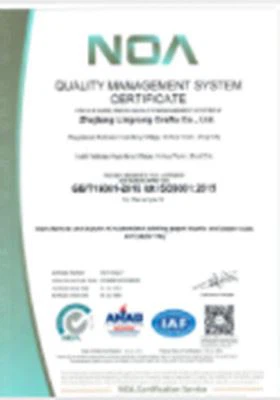
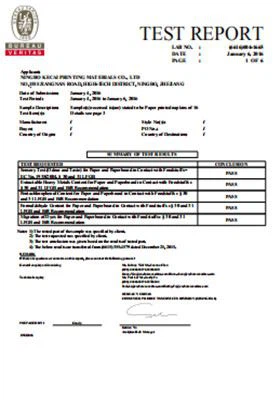
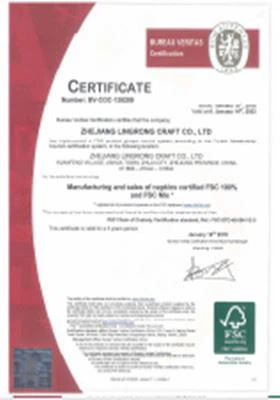

Factory
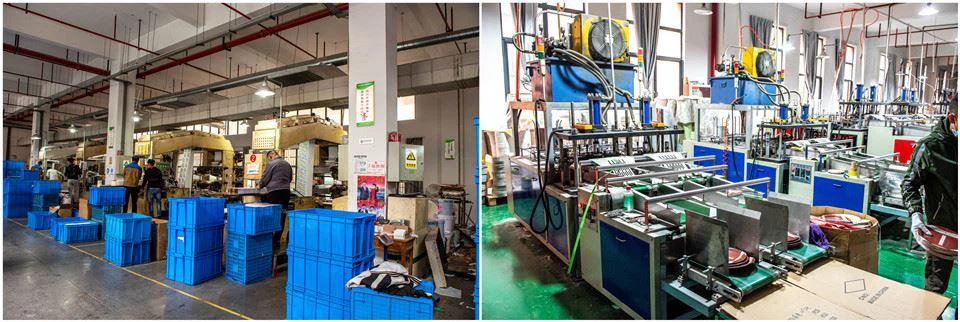
Our manufacturer was established in the beginning of 2002, located in Zhejiang Province, which is the most prosperous coastal areas with a lot of light industry factories in China. We focus on Party & Disposable Products and we have more than 15 years experience in this line with good reputation.
FAQ
Q: What is the difference between a paper napkin and a tissue?
Q: What is the difference between a paper towel and a paper napkin?
Q: How are paper napkins made?
Q: Can paper napkins be used as toilet paper?
Q: How do you clean paper napkins?
Q: Do paper napkins contain chemicals?
Q: What are paper napkins made of?
Q: Do paper napkins decompose?
Q: How do I choose napkins?
Q: Can I use napkins to wipe?
Q: Are paper napkins bleached?
Q: Do paper napkins come from trees?
Q: Why are they called napkins?
Q: What is the best color for napkins?
Q: What are paper napkins?
Q: What are the benefits of using paper napkins?
Q: What sizes do paper napkins come in?
Q: Are paper napkins eco-friendly?
Q: What types of decorations can be featured on paper napkins?
Q: How can paper napkins be used for events?
We're professional paper napkins manufacturers and suppliers in China, specialized in providing high quality customized products. We warmly welcome you to wholesale bulk high-grade paper napkins at competitive price from our factory.
Glitter Paper Foldable Shopping Bag For Christmas, Shaped Rainbow Paper Plate Disposable, Christmas Party Paper Plates And Cups Dinnerware