


Paper Cup
A paper cup is a disposable cup made of paper or cardboard, typically with a wax or plastic coating to prevent the liquid from soaking through. They are commonly used for serving beverages such as coffee, tea, soda, and other cold drinks. Paper cups are lightweight, affordable, and can be easily disposed of, making them a popular choice in cafes, restaurants, events, and for takeout orders. Nowadays, some companies are also making compostable and biodegradable paper cups to be more environmentally friendly.
Benefits of Paper Cup
Eco-friendly
Such cups are made from paper, which is a disposable material. And thus, it decomposes easily. It is simple to recycle paper. Besides, you can easily crumple the cups in a better way than plastic cups. And this makes it more compactable.
Recyclable
Paper cups are recyclable. A pulp is formed with paper and water. This pulp can be further used to make new cups.
Biodegradable
Disposable paper cups are the cleanest products owing to their biodegradable property. Paper is made from trees and thus it usually doesn't contain any toxic matter.
Safe
It is a safer version of cups in comparison to plastic cups. Green paper cups are very much in trend. Paper doesn't react chemically with any of such consumables. Thus, whether you consume hot or cold beverages from these cups, it is absolutely safe.
-
![Kraft Single Wall Paper Cup]()
-
![Gold Disposable Coffee Cups]()
These solid-color Gold Paper Cups are perfect for both everyday entertaining
-
![Biodegradable Paper Cups]()
Our paper coffee cups are fully biodegradable and compostable, and produced to
-
![Single Use Paper Cups]()
-
![Hot Coffee Takeaway Cup]()
-
![Paper Compostable Cups]()
-
![Silver Party Paper Cups]()
-
![Gold Paper Cups]()
-
![Shot Paper Cups]()
-
![Custom Printed Double Wall Cups]()
Custom Printed Double Wall Cups
No need additional sleeves required: These custom printed double wall cups
-
![Hot And Cold Disposable Cups]()
Safe and environmentally friendly - made from food grade safety paper. Our hot
-
![Recyclable Disposable Coffee Cups]()
Recyclable Disposable Coffee Cups
Our recyclable disposable coffee cups are available with optional LIDS. Not


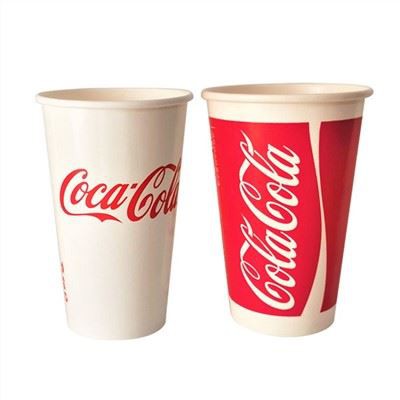
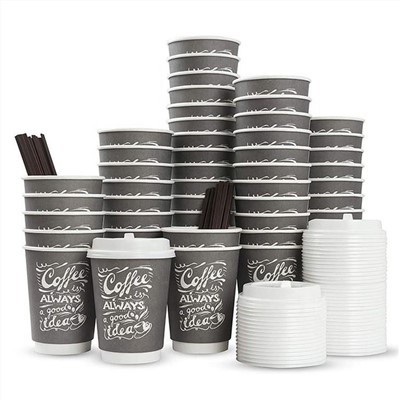
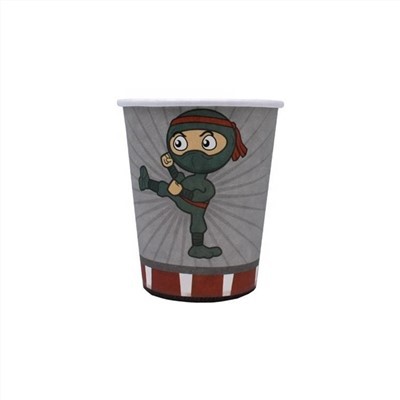


Why Choose US
Professional team
Our professional team collaborate and communicate effectively with one another, and are committed to delivering high-quality results. They are capable of handling complex challenges and projects that require their specialized expertise and experience.
Innovation
We are dedicated to improving our systems continually, ensuring that the technology we offer is always cutting edge.
One stop solution
We can offer a range of services, from consultation and advice to product design and delivery. It is a convenience for the customers, as they can get all the help they need in one place.
24h online service
We try and respond to all concerns within 24 hours and our teams are always at your disposal in case of any emergencies.
Types of Paper Cup
Single-wall paper cups
These are the most commonly used paper cups, and they are made from a single layer of paper. They are lightweight, affordable, and ideal for hot and cold beverages.
Double-wall paper cups
These cups are made with two layers of paper, making them more insulated than single-wall cups. They are ideal for hot beverages, as they keep drinks warm for longer periods.
Ripple cups
These are single-wall paper cups with an additional corrugated layer on the outside, creating a ripple effect. The added insulation makes them popular for hot drinks, such as coffee and tea.
Biodegradable cups
These cups are made with materials that break down easily in a composting environment. They are an environmentally-friendly alternative to traditional paper cups and are usually preferred by eco-conscious consumers.
A paper cup is a disposable drinking cup that is typically made from paperboard. Paperboard is a thick, rigid material that is also used to make things like cereal boxes and playing cards. The material is made by pressing together multiple layers of paper fibers and then pressing them into a solid sheet. To make a paper cup, a special grade of paperboard is required that has been treated with a polyethylene coating. The coating makes the paper cup waterproof and prevents the cup from getting soggy and falling apart. The polyethylene coating is made from a type of plastic that is safe for food and does not give off any harmful substances. Once the paperboard has been coated with polyethylene, it is then cut into the shape of a cup and folded to create the familiar cylindrical form. Heat and pressure are applied to the cup to seal the seams and give it its final shape. Paper cups can be printed with designs or logos using ink that is safe for food contact.
The Manufacturing Process of Paper Cup
Paper cup design and development
Before starting the manufacturing process, the design of the paper cup must be finalized. This includes the size, shape, and design of the cup.
Paper cutting
The paper used for making the cups is cut into the required size and shape. The paper is usually made of food-grade materials and has a thickness of around 250-350 grams per square meter.
Printing
The paper is printed with the required design and branding. The printing is usually done using food-grade ink that is safe for consumption.
Cup forming
The paper is then formed into cups using a cup-forming machine. The machine includes a die that cuts and shapes the cup from the paper.
Side-seam sealing
The side of the cup is then sealed using a side-seam sealing machine. This helps to keep the cup together and prevent any leaks.
Bottom sealing
The bottom of the cup is then sealed using a bottom-sealing machine. This helps to prevent any leaks from the bottom of the cup.
Quality control
After the cups are formed, they go through a quality control process where they are inspected for any defects or issues. Defective cups are rejected and removed from the production line.
Packing
The cups are then packed into boxes or cartons for transport and delivery. The packaging is usually designed to protect the cups during transport and storage.

Size: Consider the size of the cup you need for your drink. Choose a cup that is large enough to hold your drink but not too large that it is wasteful.
Material: Look for cups that are made from high-quality paper and are eco-friendly. Choose cups that are free from harmful chemicals and are not bleached with chlorine.
Insulation: If you want to keep your drink hot or cold for a long time, choose cups that are insulated or have a double wall construction.
Design: Choose cups with attractive designs that will appeal to your customers. Look for cups that have fun and eye-catching patterns or logos.
Sturdiness: Choose cups that are durable and strong enough to hold your drink without leaking. Look for cups that have a reinforced bottom and rim.
Compatibility: Make sure the paper cups you choose are compatible with your lids. Look for cups that have a matching lid available.
Price: Compare prices from different suppliers to find the best value for your money. Consider the cost of delivery and the minimum order quantity.
The working principle of a paper cup involves shaping a blank piece of paperboard into a cup shape using a heating process that softens the material. This process is known as cup forming. The paperboard is typically coated with a thin layer of polyethylene or wax to provide a moisture barrier and make the cup leak-proof. Once the cup is formed, it is glued together using a special adhesive that is suitable for food contact. The top rim of the cup is often rolled or crimped to provide rigidity and make it easier to hold.
In use, the cup is filled with a liquid or solid material. The moisture barrier prevents the liquid from leaking through the paper cup, and the cup's shape and design make it easy to hold and drink from. After use, the paper cup is typically disposed of in a waste bin. Because paper cups are made from renewable resources and can be recycled or composted, they are a more sustainable option than many other types of disposable cups.
How to Advertise on a Paper Cup
Choose a paper cup supplier
Look for a supplier that can provide paper cups in various sizes and styles that are suitable for your advertising needs.
01
Design your paper cup
Create a design that aligns with your brand and is eye-catching to potential customers. Include your business name, logo, and any promotional slogans or information.
02
Choose the printing method
There are two main printing methods for paper cups - flexographic and digital printing. Flexographic printing is better for large quantities, while digital printing is suitable for smaller runs and allow for greater customization.
03
Determine the distribution strategy
Consider distributing the branded paper cups at events, conferences, or trade shows to help spread your brand name while providing attendees with a convenient cup to use. You can also include paper cup advertising in takeout orders or in-store promotions.
04
Monitor the campaign results
Track the effectiveness of the paper cup advertising campaign by measuring its impact on sales or brand recognition. Use this information to make improvements for future campaigns.
05
How to Produce Paper Cups
Gathering materials
The first step in producing paper cups is to gather the necessary materials. This includes paperboard or cup stock material, which is a type of thick paper that is used to form the cups. The paperboard is typically coated with a plastic material to make it waterproof.
Prepping the materials
Once the paperboard has been gathered, it needs to be prepped for cup production. This involves cutting the paperboard into the correct size and shape for the cups. The paperboard will also be coated with a layer of polyethylene to make it water-resistant.
Forming the paper cups
With the paperboard prepared, the cups can be formed. This is done using a machine called a cup-forming machine or cup-making machine. The machine uses a series of rollers and dies to shape the paperboard into the form of a cup.The machine will also apply heat and pressure to the paperboard to make sure that the cup shape is formed correctly. The cups will then be trimmed to the correct height and have their edges rolled to make them easier to drink from.
Packaging the finished cups
Once the cups have been formed, they need to be packaged for shipping and distribution. This typically involves stacking the cups in sleeves or boxes before loading them onto pallets for shipment.
Food and beverages industry
Paper cups are commonly used as disposable cups for serving coffee, tea, soft drinks, and other beverages in cafes, restaurants, and vending machines. They also find applications in fast food chains, food stalls, and other food outlets that serve snacks and meals.
Exhibition event
Paper cups are commonly used in events such as conferences, trade shows, and exhibitions for serving refreshments to attendees. They are also used in weddings, birthday parties, and other social events for serving drinks and appetizers.
Healthcare industry
Paper cups are used in hospitals, clinics, and other healthcare facilities for serving water, medicine, and other liquids to patients and staff. They are also used in laboratories for collecting and storing samples.
Education industry
Paper cups are used in schools, colleges, and universities for serving beverages and snacks in canteens and vending machines. They are also used in classrooms for conducting experiments and other activities that require the use of disposable containers.
Retail industry
Paper cups are popular as packaging options for single servings of food and beverages in retail stores such as convenience stores, grocery stores, and departmental stores. They are also used by food trucks and mobile vendors for serving food and drinks.

Material
The primary difference between paper and plastic cups is the material used to make them. Paper cups are made from renewable resources such as paper, whereas plastic cups are made from non-renewable resources like petroleum and natural gas.
Environmental impact
Paper cups are considered to be more eco-friendly compared to plastic cups as they are biodegradable and compostable. On the other hand, plastic cups are non-degradable, which often leads to environmental pollution.
Insulation
Paper cups have a lower insulation capacity compared to plastic cups. The thin paper material used to make paper cups does not retain heat for long, whereas plastic cups can keep drinks warm for a longer period.
Durability
Plastic cups are more durable than paper cups since they are made from a stronger material. Plastic cups are less likely to rip or tear compared to paper cups.
Recycling
Both paper cups and plastic cups can be recycled. However, the recycling options for plastic cups are limited as not all types of plastic are recyclable. On the other hand, paper cups are easily recyclable, and the paper can be used to make new products.
How to Maintain a Paper Cup
Use the cup for drinking purposes only
Paper cups are not designed to hold food or liquids for an extended period. They should be used for drinking only. Do not use the cup to hold pencils, coins or any other non-drinkable substance.
Avoid putting hot liquids in paper cups
The paper cup is coated with a thin layer of plastic on the inside to prevent leaks. Hot liquids can cause the plastic to melt and release chemicals into your drink which can be harmful to your health. Instead, use cups that are specifically designed for hot beverages.
Dispose of the cup properly
After use, dispose of the paper cup in a recycling bin or garbage bin. Do not litter the cup as it can take years to decompose and can harm the environment.
Store the cups in a dry place
Wet surfaces can cause the cups to stick together, making them difficult to separate. Store the cups in a dry place to prevent this from happening.
Prevent the cups from getting crushed
Paper cups are fragile and can get crushed easily. Store the cups in a way that prevents them from getting crushed. You can use a cup dispenser, or stack them in a way that they remain stable.
Certificate
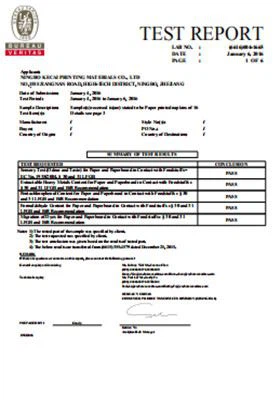
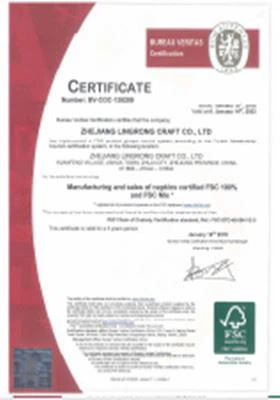

Factory
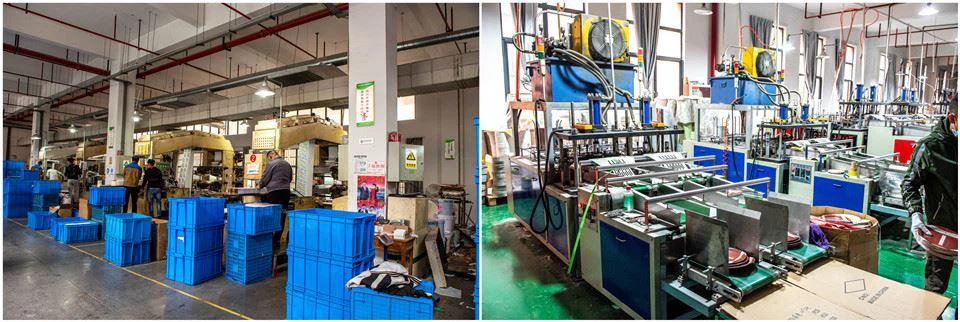
Our manufacturer was established in the beginning of 2002, located in Zhejiang Province, which is the most prosperous coastal areas with a lot of light industry factories in China. We focus on Party & Disposable Products and we have more than 15 years experience in this line with good reputation.
FAQ
Q: What are paper cups used for?
Q: How is a paper cup made?
Q: Are paper cups plastic free?
Q: What is inside a paper cup?
Q: Are paper cups waterproof?
Q: Can you put hot drinks in paper cups?
Q: Why do paper cups not absorb water?
Q: Can paper cups hold coffee?
Q: Why does water taste better in a paper cup?
Q: Why paper cups are better than plastic cups?
Q: What is a paper cup?
Q: What are paper cups used for?
Q: How are paper cups made?
Q: Are paper cups recyclable?
Q: What are the advantages of paper cups?
Q: Why are paper cups often used in offices?
Q: Can paper cups be reused?
Q: What is a double-walled paper cup?
Q: What is the most common size of a paper cup?
Q: Can paper cups be customized with logos or artwork?
We're professional paper cup manufacturers and suppliers in China, specialized in providing high quality customized products. We warmly welcome you to wholesale bulk high-grade paper cup at competitive price from our factory.
pink paper bags, Paper Drawstring Gift Bags, Gold Metallic Foil Wedding Paper Gift Bag